You've seen those photos. The ones where the clothes look twice as expensive as they are - clean, effortless, a specific kind of cool that's hard to name but instantly recognizable. It's all over Instagram and TikTok right now, and it's coming out of Korea. You know exactly what it looks like. You just can't figure out how to make it.
That's not a personal failure. It's a structural problem, and it's worth understanding why.
01 - Why K-fashion is winning right now Bigger than you think
This didn't happen overnight. K-beauty spent a decade teaching global shoppers to associate Korean aesthetics with quality. K-pop built a massive, loyal audience on top of that. Now that audience shops - and they scroll past dozens of products looking for something that gives them that feeling.
The reach is bigger than most sellers realize. Korean fashion content on TikTok and Instagram consistently outperforms comparable Western fashion posts on saves and shares. Buyers aren't just in Korea. They're in the US, Southeast Asia, Europe - anywhere K-pop has an audience, which at this point is almost everywhere.
If your product photos don't speak this visual language, you're invisible to a growing segment of buyers who are actively looking for it.
02 - What the aesthetic actually is It's not just clean backgrounds
Most sellers assume K-fashion is about minimalist backgrounds and clean lighting. That helps, but it's not the thing.
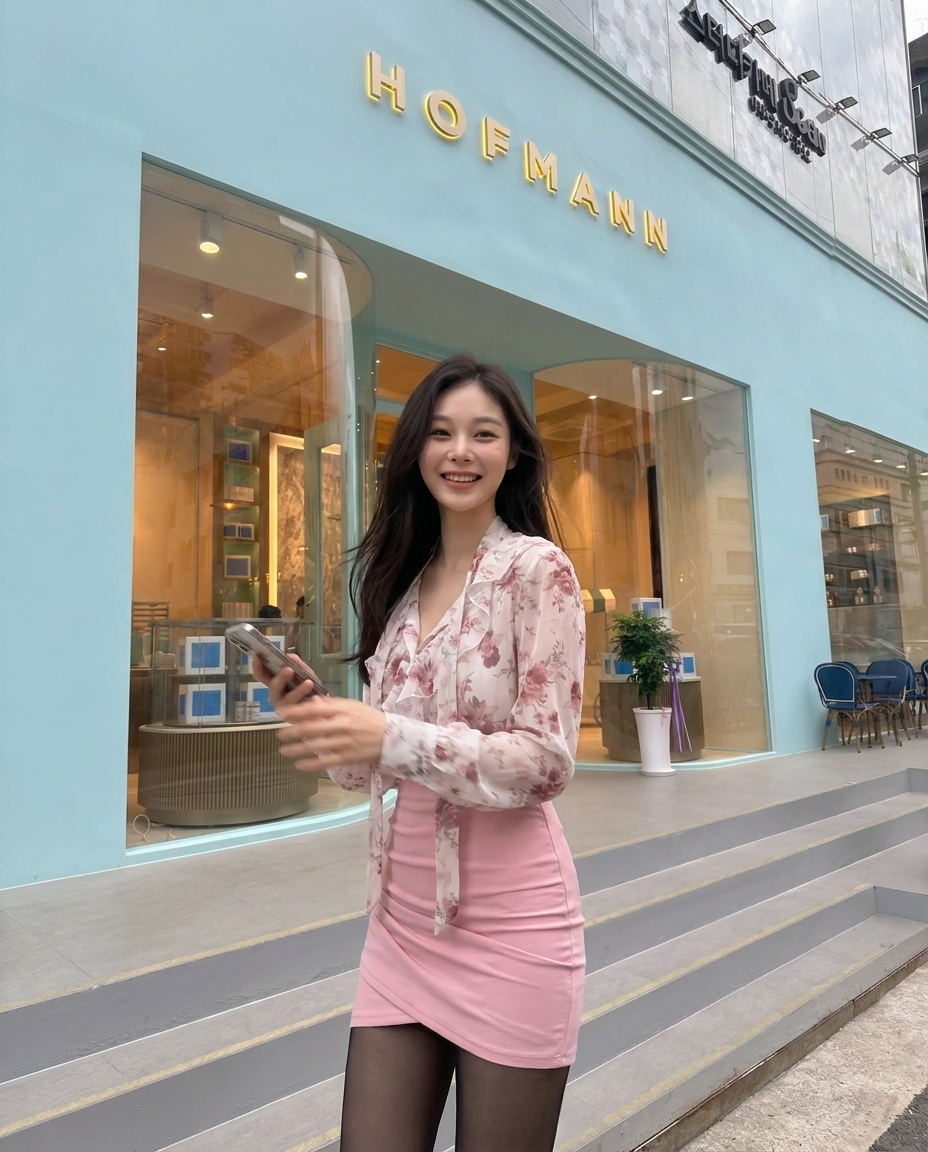
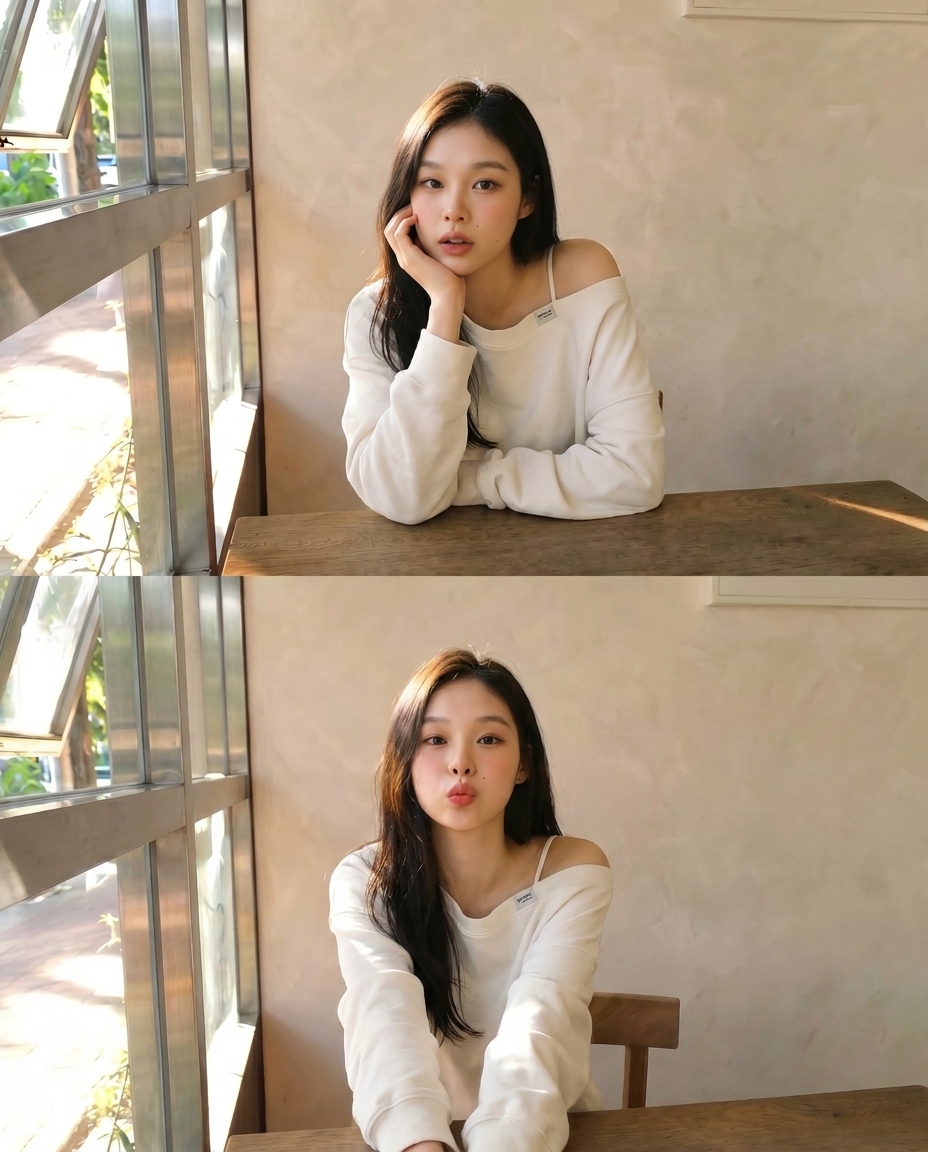
The real K-fashion aesthetic formed over millions of product images on platforms like Musinsa and Ably - Korea's dominant fashion marketplaces. A specific visual language emerged from that scale: how models carry their posture, the way fabric is allowed to fall naturally rather than styled aggressively, expressions that are calm instead of performed, a color temperature that reads slightly cooler than Western product photography.
It's not a style guide you can download. It's pattern recognition built over years of exposure to a specific visual culture.
This is why sellers who try to replicate it hit a wall. It's not about the clothes. It's not even about finding a photogenic model. It's about whether the people - or the AI - creating those images have actually absorbed that visual culture.
03 - What sellers actually try Three approaches, three problems
There are three common approaches international sellers take - and each one runs into its own wall.
-
01
Flying to Seoul to shoot
Some sellers do this. A local agency, a photographer, a studio, a week on the ground. The photos look right. The bill - flights, accommodation, model fees, post-processing - runs anywhere from $3,000 to $8,000 for a decent batch, and you repeat it every season.
-
02
Using a generic AI image tool
Tools like Midjourney or standard AI model generators are genuinely impressive. K-fashion isn't what they're built for. Their training data is broad - global imagery - and doesn't include the depth of Korean platform photography. The results look like AI-generated fashion, not like something from a Korean brand's product page. Shoppers who know the aesthetic notice immediately.
-
03
Art-directing toward it manually
Mood boards, references, trying to instruct a photographer to hit those notes. This occasionally works, partially. But it requires you to understand the aesthetic well enough to describe it in concrete terms - which most sellers can't, because they've absorbed it visually but never had to translate it into words.
04 - Seoul's streets, from anywhere The background is part of the brand
There's something else Korean fashion photography has that generic product shots don't: a sense of place.
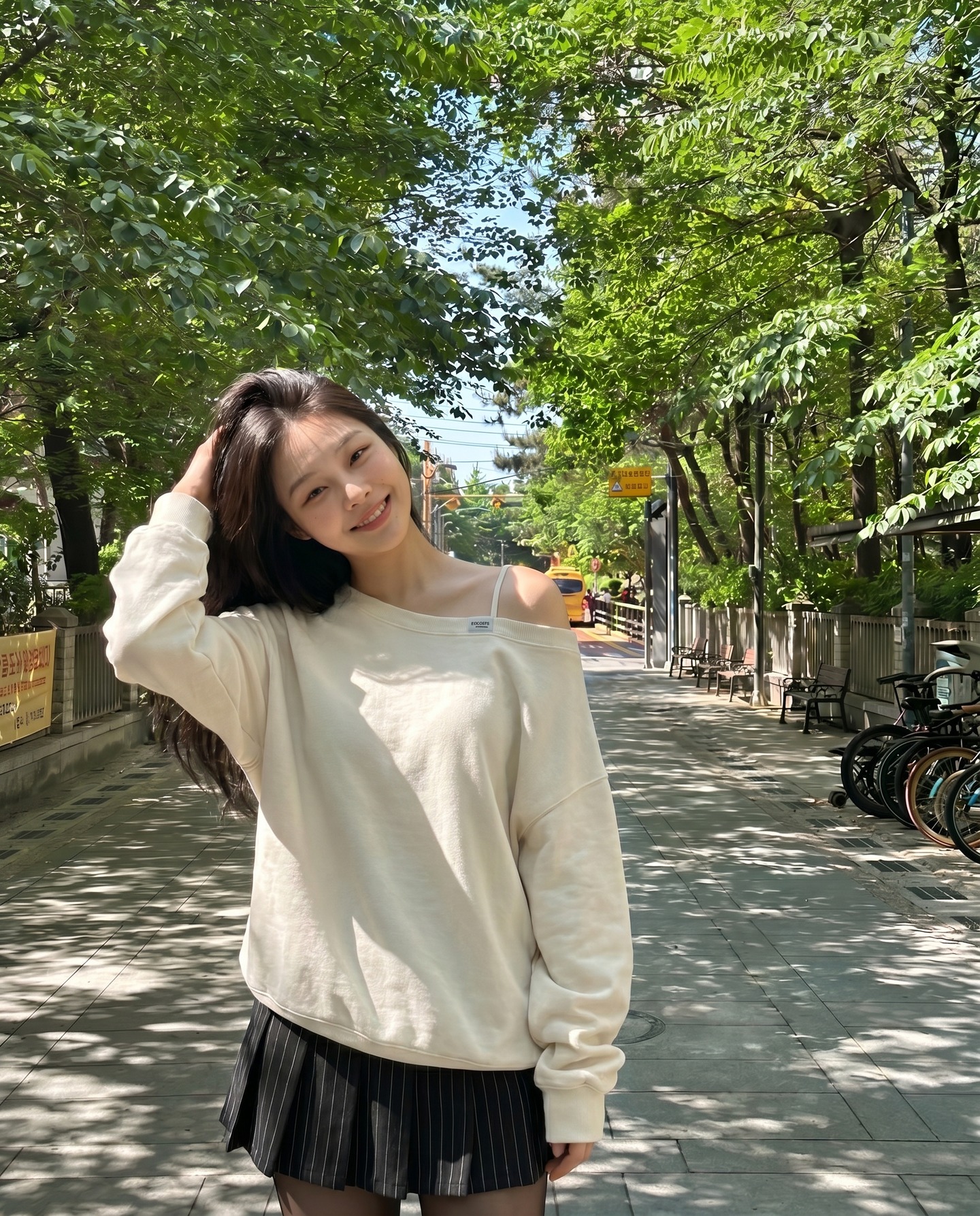
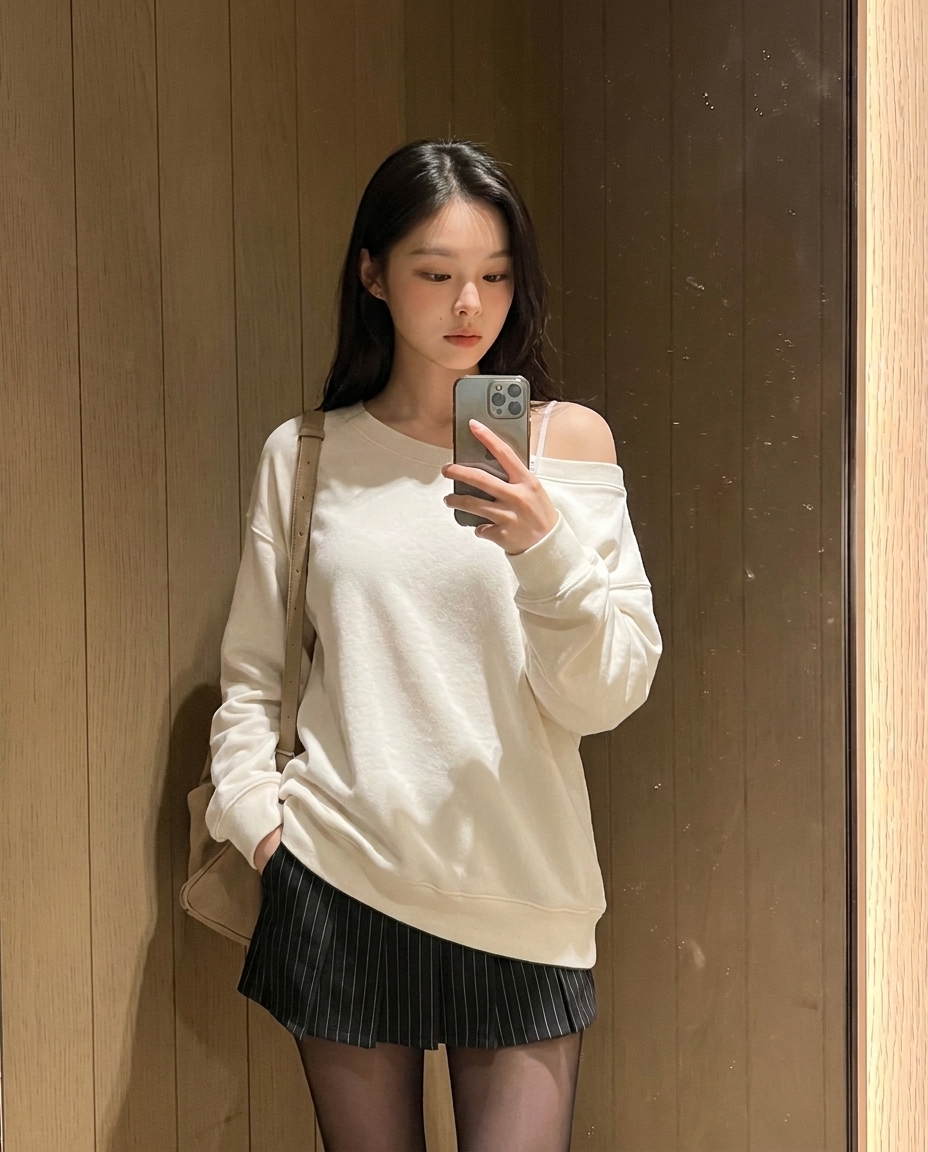
The tree-lined streets of Seochon, the pastel storefronts of Seongsu, the wide sunlit pavements of Apgujeong - these aren't just backgrounds. They're cultural signals that tell the viewer exactly what kind of brand they're looking at. Buyers who follow Korean fashion recognize these streets. They've seen them in K-dramas, in influencer content, in brand lookbooks. When a product photo places a model there, it carries the credibility of that whole context.
You can now choose the Seoul neighborhood your model appears in - without booking a single flight.
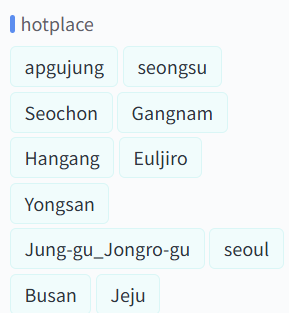
StyleRoom's hotplace feature lets you tag a specific Seoul location - each one carries the streets, the light, and the architectural character that makes that area recognizable. The tags cover the neighborhoods Korean fashion buyers know best:
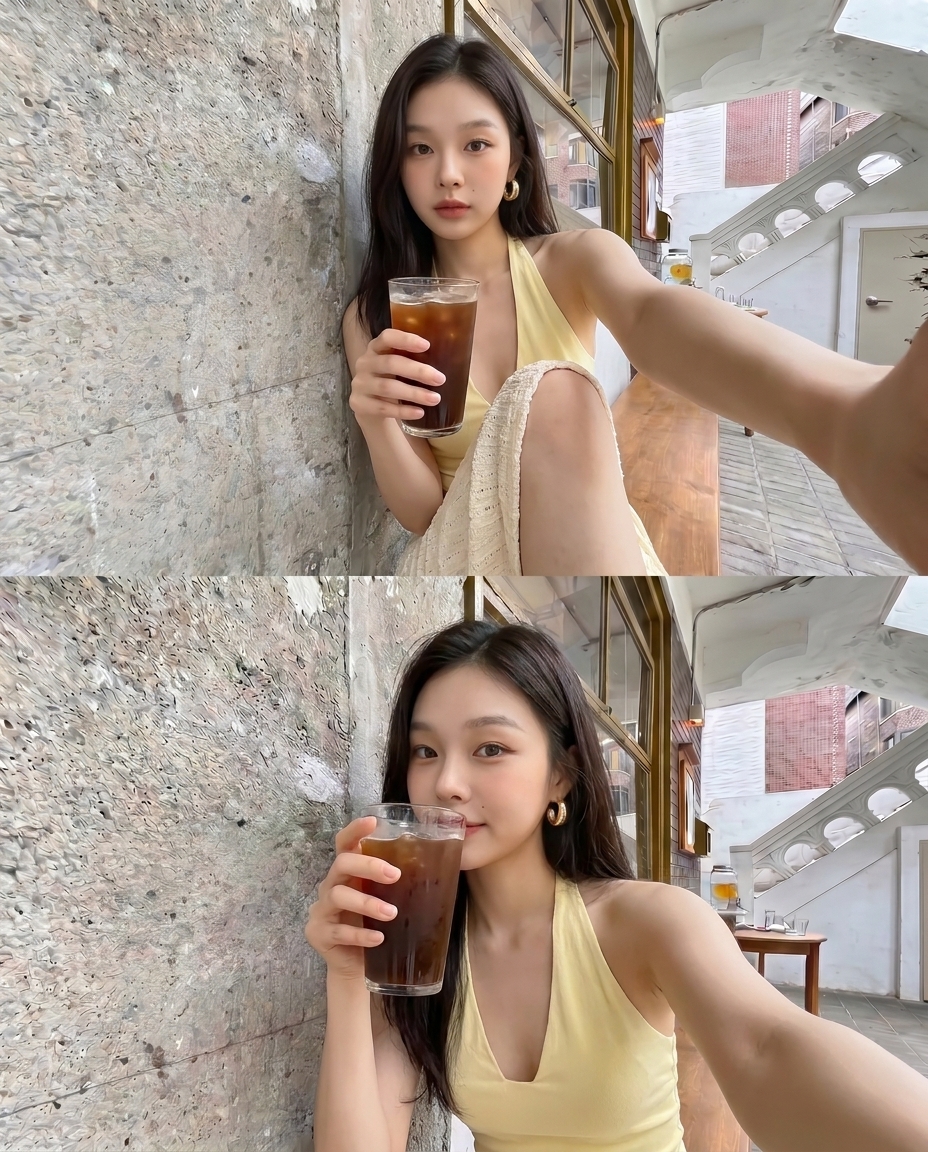
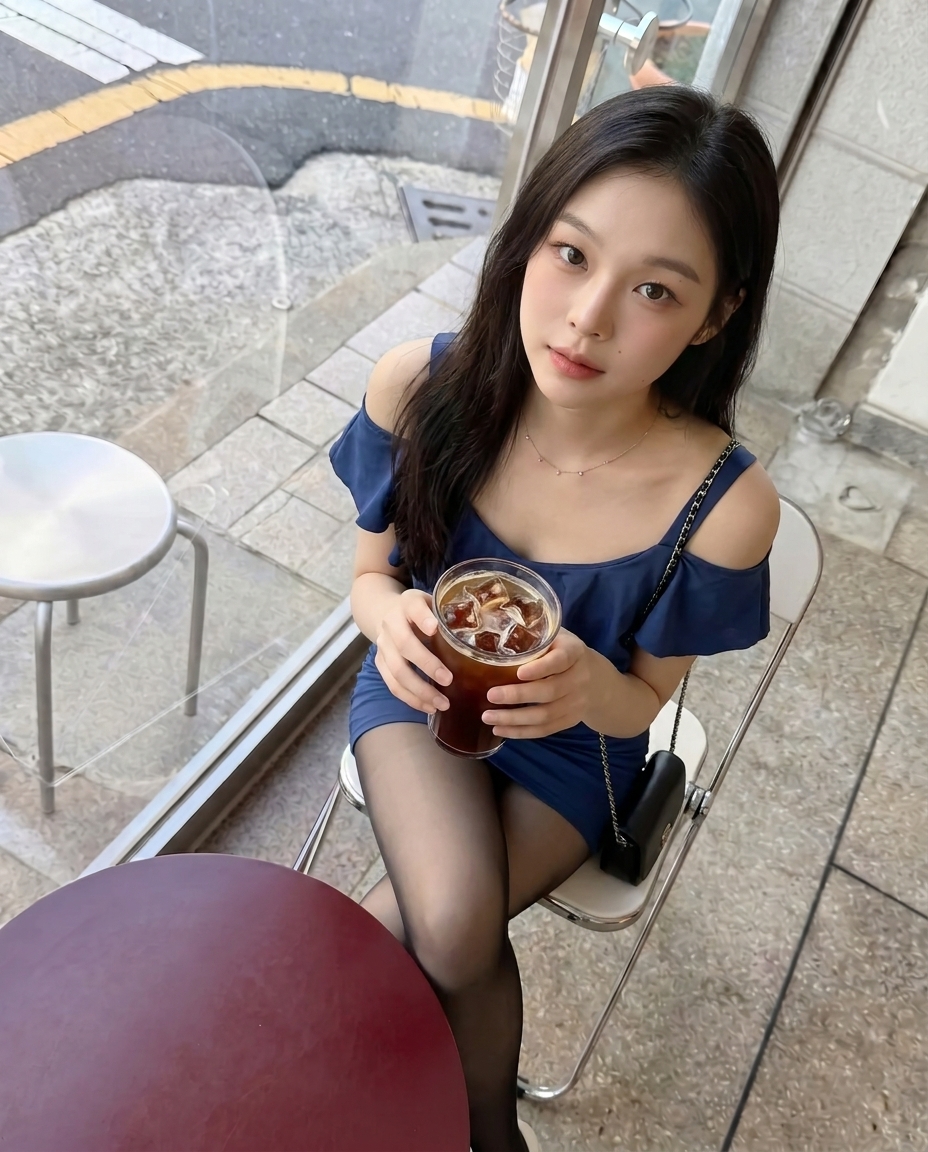
Apgujeong has a different feel from Euljiro, which reads completely differently from Seochon. Sellers can match the location to the product and the buyer they're targeting. For a relaxed summer piece, a shaded Seochon alley reads differently than the same product on a Gangnam sidewalk. That distinction used to require knowing Seoul well enough to plan a shoot there.
05 - What actually works Training data is everything
The K-fashion aesthetic is learnable - by AI, when that AI has been trained on the right material.
StyleRoom was built on imagery from Korean fashion platforms. When you upload a product photo, the AI generating your model shot has been trained on the same visual language you're trying to reach - not a rough approximation of it. The posture, the color temperature, the way the fabric sits in the frame: these come from having processed millions of examples of exactly this kind of photography.
You upload one product photo. You choose a model, a Seoul location, a mood. You get results that look like they belong on Musinsa's product page - not like a Western AI's interpretation of what Korean fashion looks like.
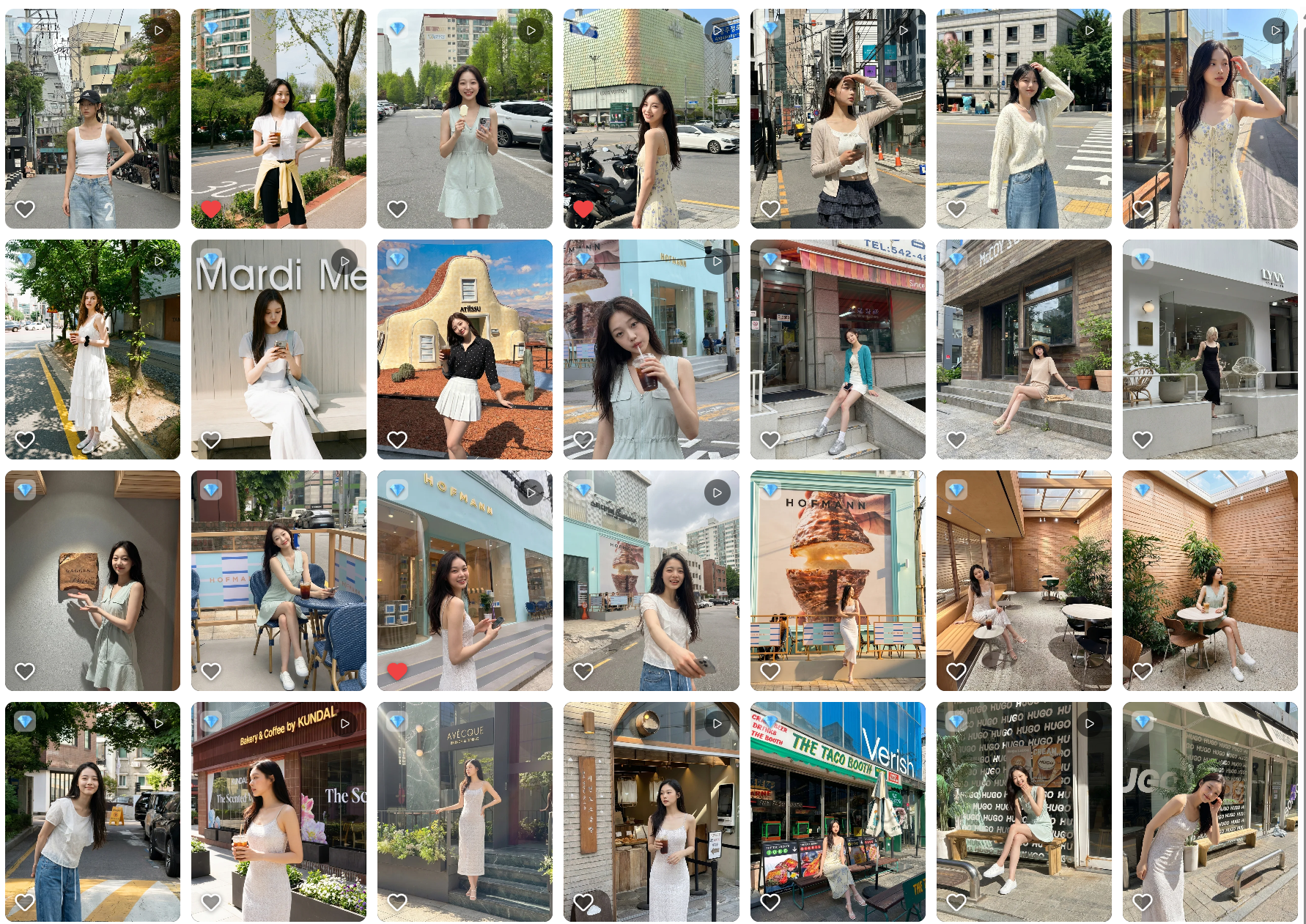
No Seoul trip. No studio. No agency.
06 - Who this makes sense for Not every brand, but probably yours
The K-fashion aesthetic works best for sellers in women's casual and streetwear: oversized silhouettes, layered basics, anything that reads "effortlessly put-together." It also works for brands targeting buyers who follow Korean fashion trends.
That's a larger audience than most international sellers account for. It's not limited to Asian markets. Buyers shaped by years of K-pop and K-drama are on Shopify stores, Amazon listings, Etsy, TikTok Shop - wherever fashion is sold online.

AI fashion photography trained on Korean platforms
Upload a product photo. Choose a model and a Seoul location. Get images that look like they came from a Korean fashion brand - because the AI that made them learned from one.
Try StyleRoom
See your products on a Korean model, in Seoul.