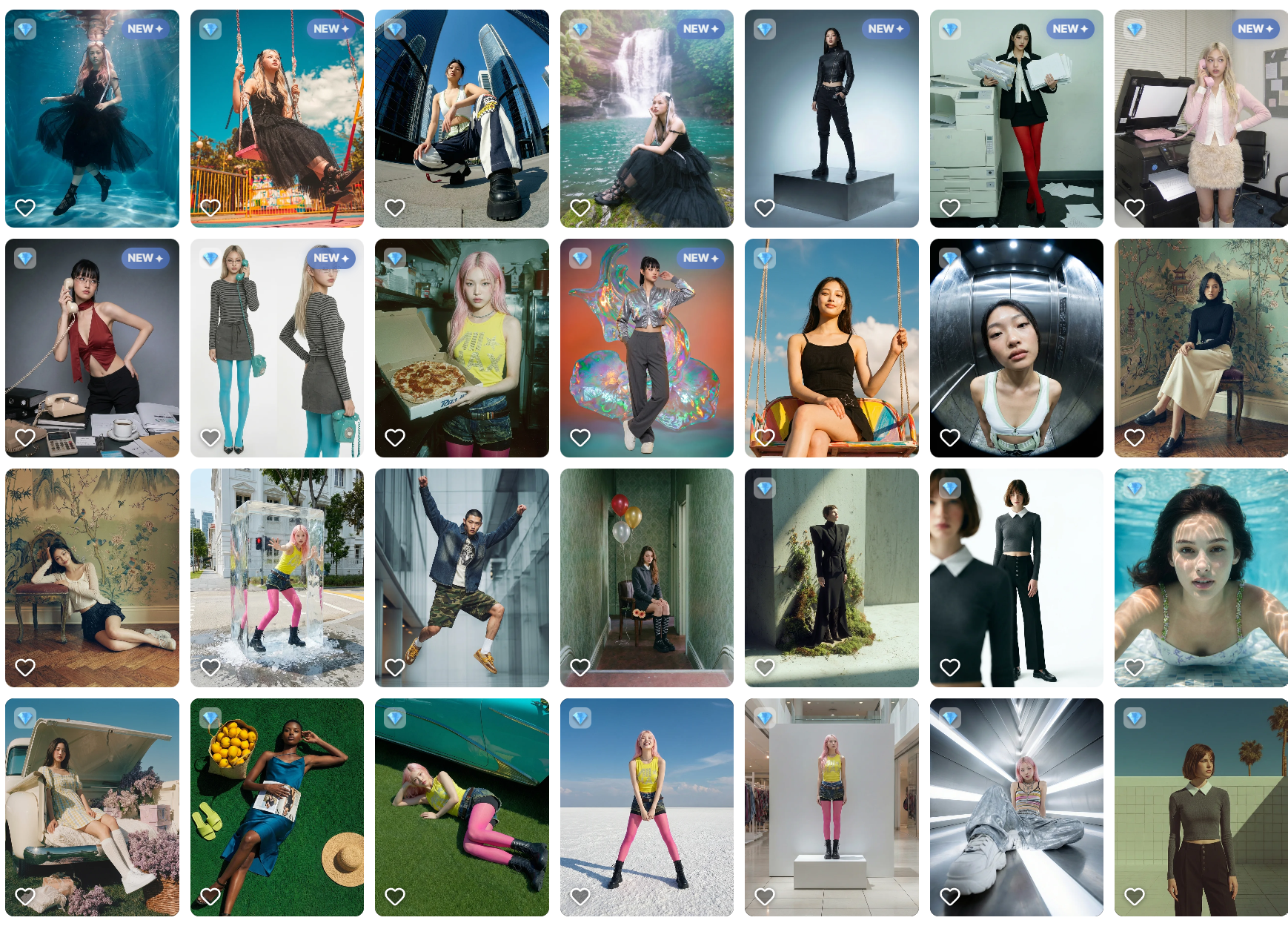
Every fashion brand has a list of shoots that keep getting pushed back. The swimwear line that needs a different kind of model. The product that would look perfect in Seoul but requires a flight to Seoul. The seasonal campaign you can't shoot because the season is wrong. The background that technically doesn't exist.
These aren't failures of imagination. They're failures of access - to the right models, the right locations, the right conditions. That access problem looks different now than it did two years ago.
01 - Models The model constraints that keep certain shoots off the table
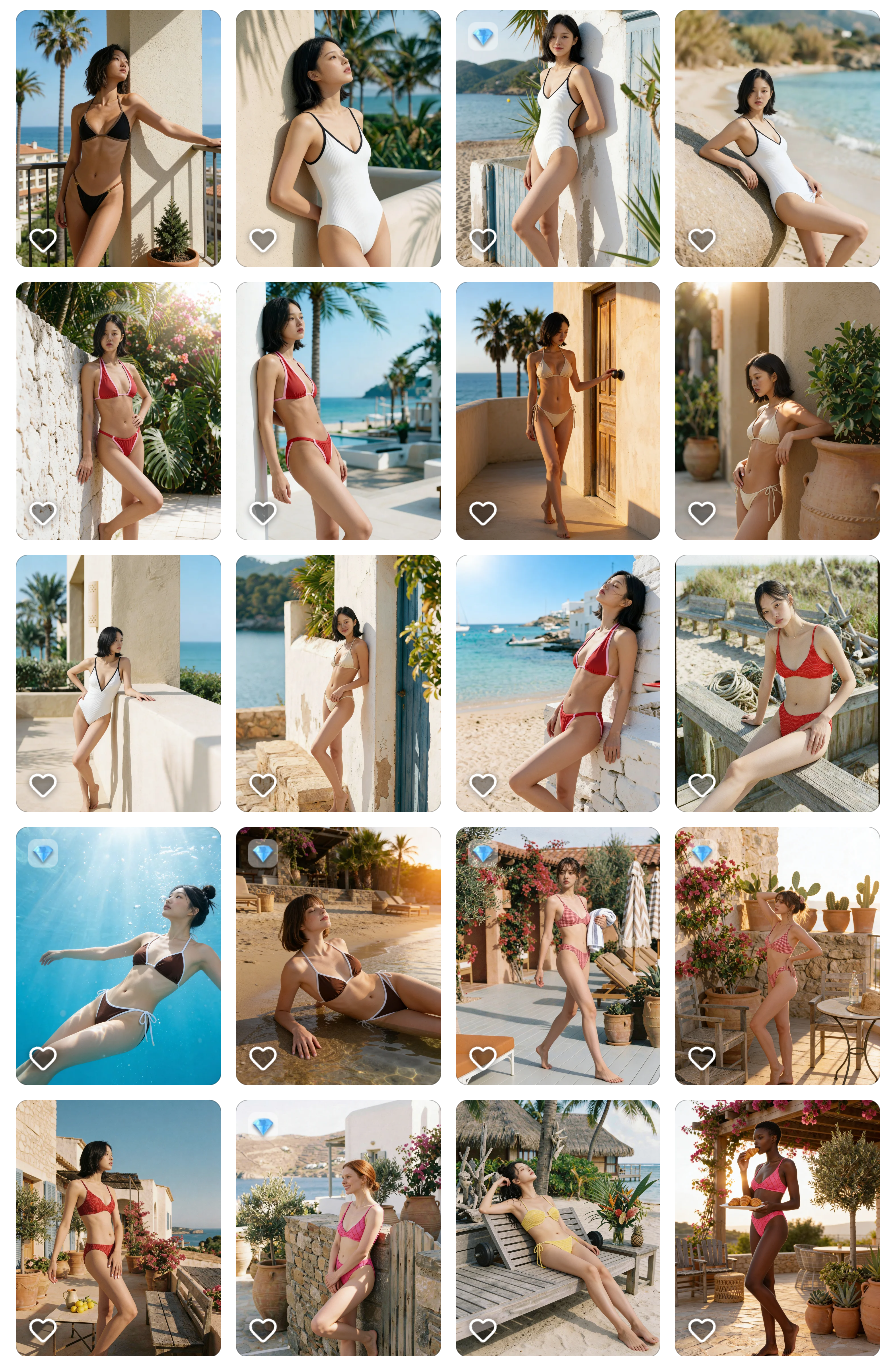
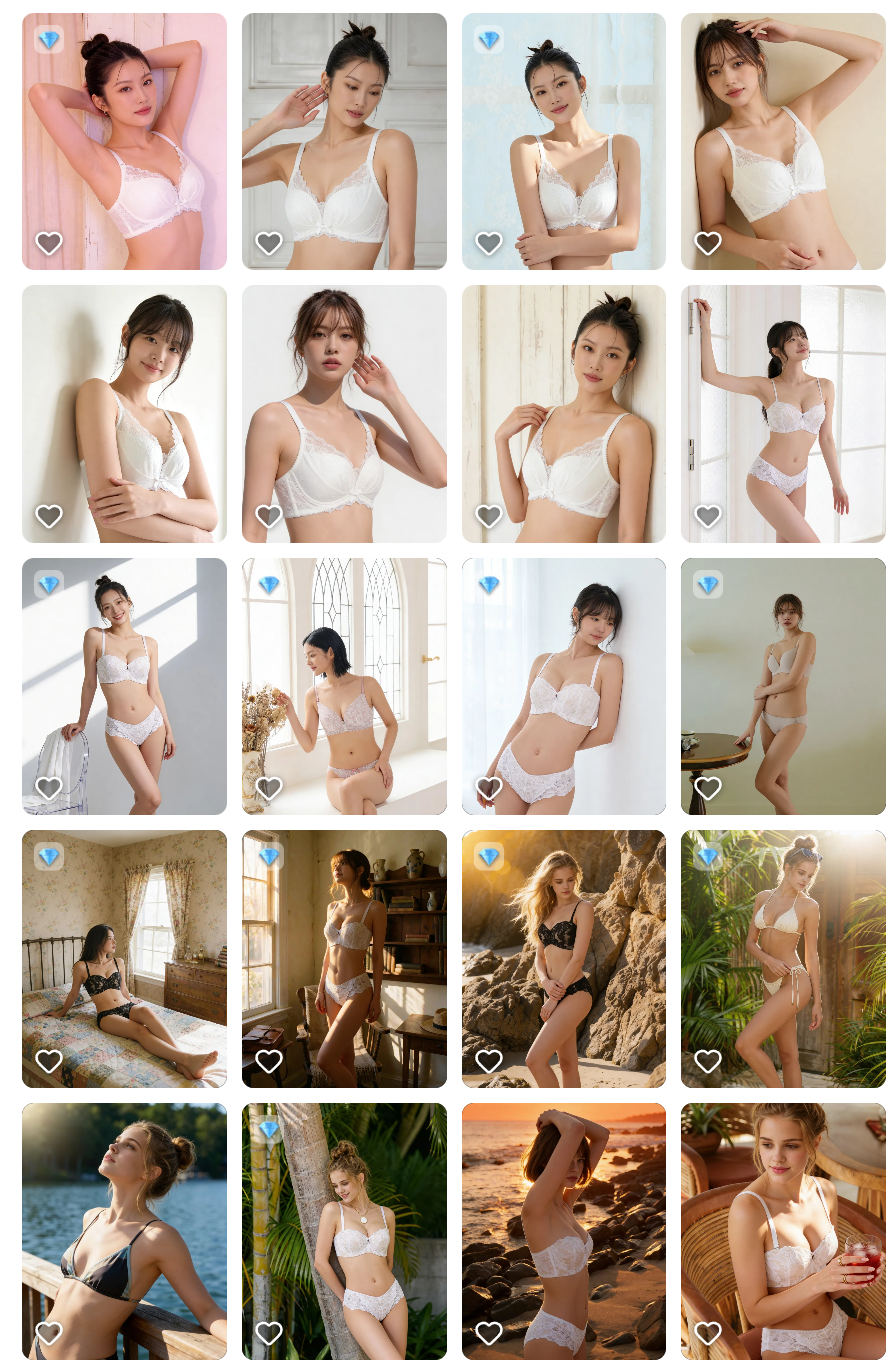
Swimwear and Lingerie
Swimwear and lingerie shoots aren't difficult because of the products. They're difficult because of the model requirements. Agency models work under contracts that specify what level of exposure they'll accept, what poses are within scope, and what environments they'll shoot in. Every one of those conditions is a separate negotiation - and a separate line item on the invoice.
Finding a model with the specific body type you want for a swimwear line is a separate problem on top of that. If the agency roster doesn't have what you're looking for, the line either waits or launches with the wrong photos.
Kids' Clothing
Shooting with child models involves a different category of constraint: parental consent documentation, legal limits on daily shoot hours, a required guardian on set, and the fundamental unpredictability of how a child performs on a given day. The logistics are manageable if you have the time and infrastructure. For most brands with weekly product cycles, they're not.
Specific Body Types
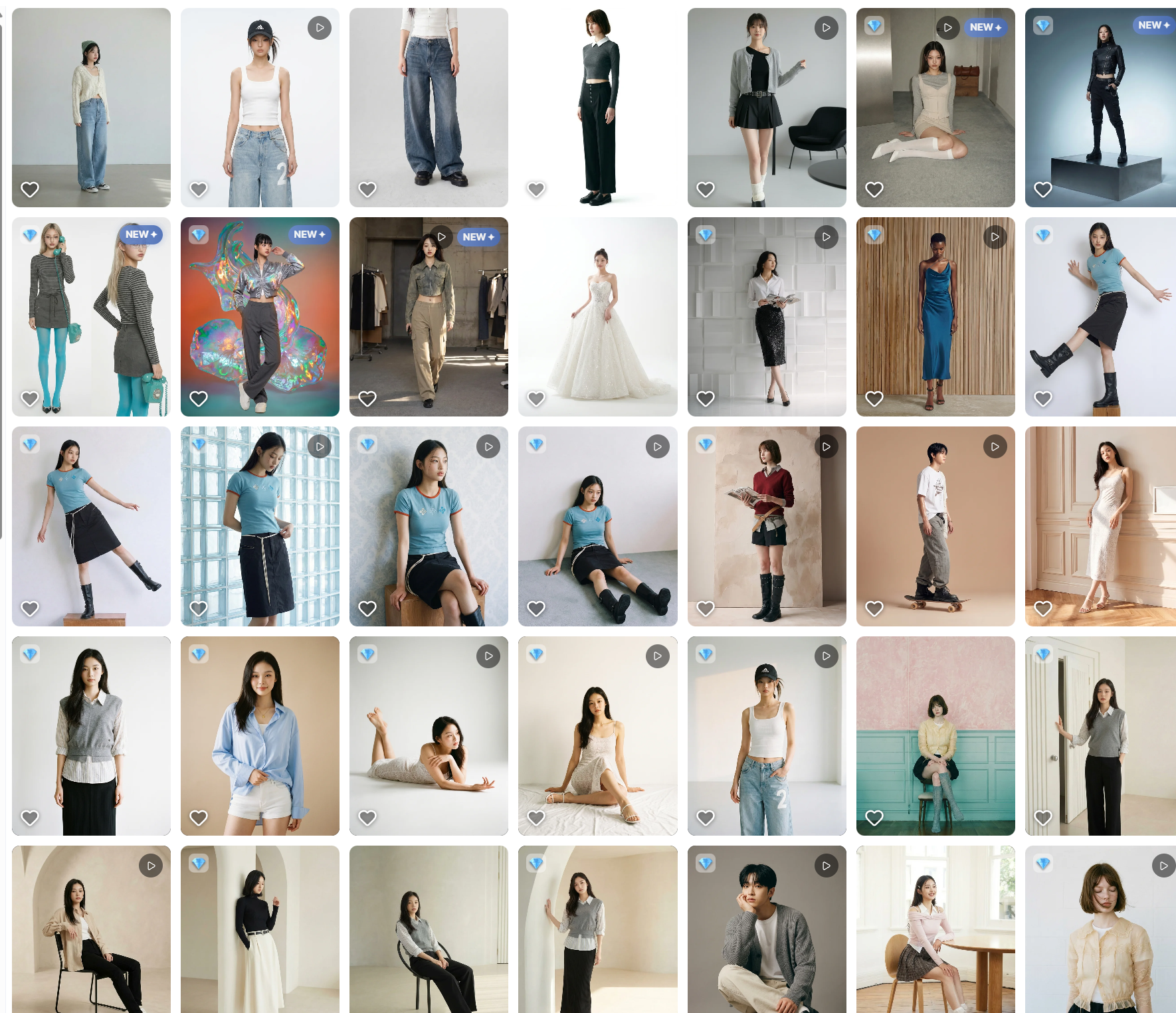
Plus size, senior, petite, tall - the agency talent pool thins quickly outside of standard model sizing. If you're building a brand that speaks to a specific customer body type, the mismatch between who's available and who you need can mean launching without the photos that would actually convert for your audience.
02 - Seoul Korean locations: the aesthetic that requires a flight
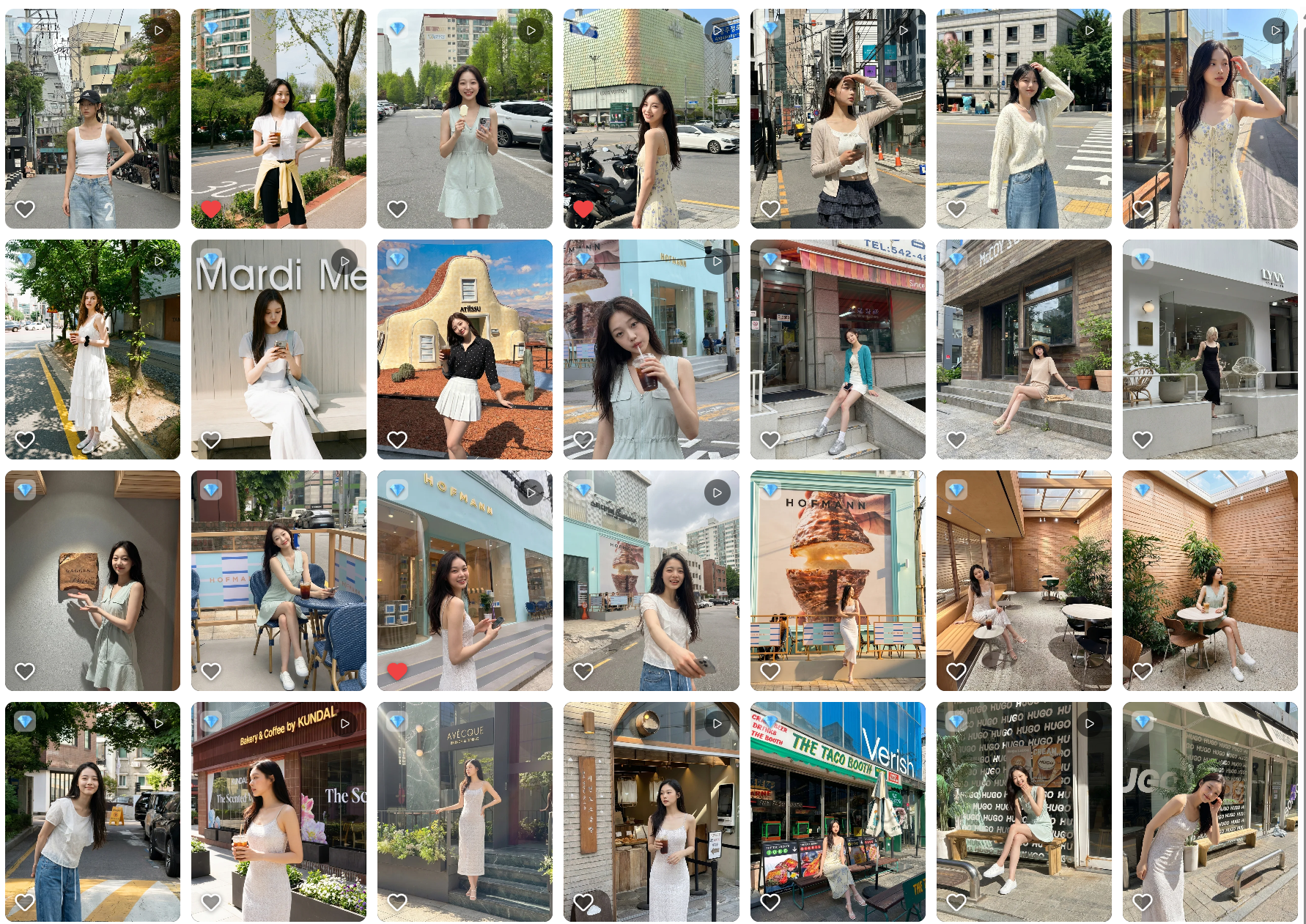
For international fashion brands, Korean location photography has become a specific, identifiable problem. K-drama, K-pop, and a decade of Korean fashion content have trained a global audience to recognize Seoul's visual language - Seongsu's industrial-chic alleys, Cheongdam's luxury strip, Apgujeong's branded streetscapes, the hanok neighborhoods, the specific cafe culture of Seochon.
When buyers who follow Korean fashion content land on your product page, they're reading the location as much as the garment. A product photo in front of Mardi Mercredi in Seongsu communicates something specific about a brand. So does Dior in Cheongdam. So does a hanok alley at dusk. These aren't generic backdrops - they're cultural signals that carry brand information for buyers who recognize them.
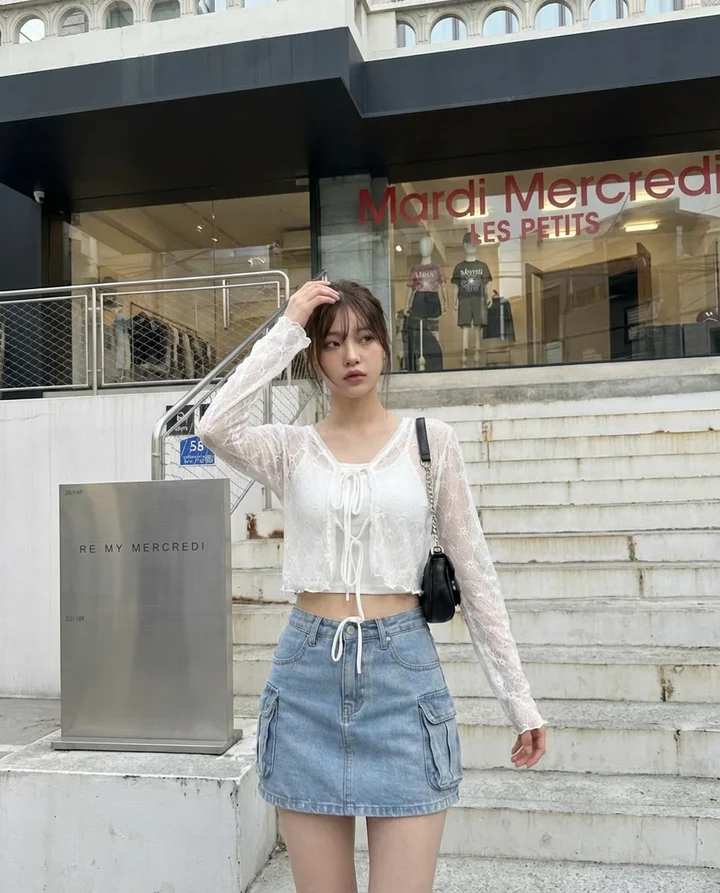

The production barrier for international brands is straightforward: getting those locations means flying to Seoul. A shoot day in Korea, once you account for travel, accommodation, local model and photographer coordination, and the logistics of shooting in a foreign city, runs significantly higher than a domestic shoot - and takes significantly longer to plan.
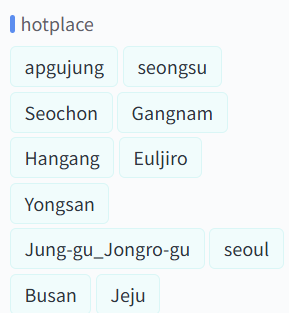
StyleRoom was built on Korean fashion platform imagery - the same visual language that shaped what Musinsa buyers expect. Seoul neighborhoods are selection options, not flights. Seongsu, Cheongdam, Apgujeong, Euljiro, hanok alleys - each one is a tag in the interface.
03 - Locations Every other place that keeps getting pushed to "someday"
International Locations Beyond Korea
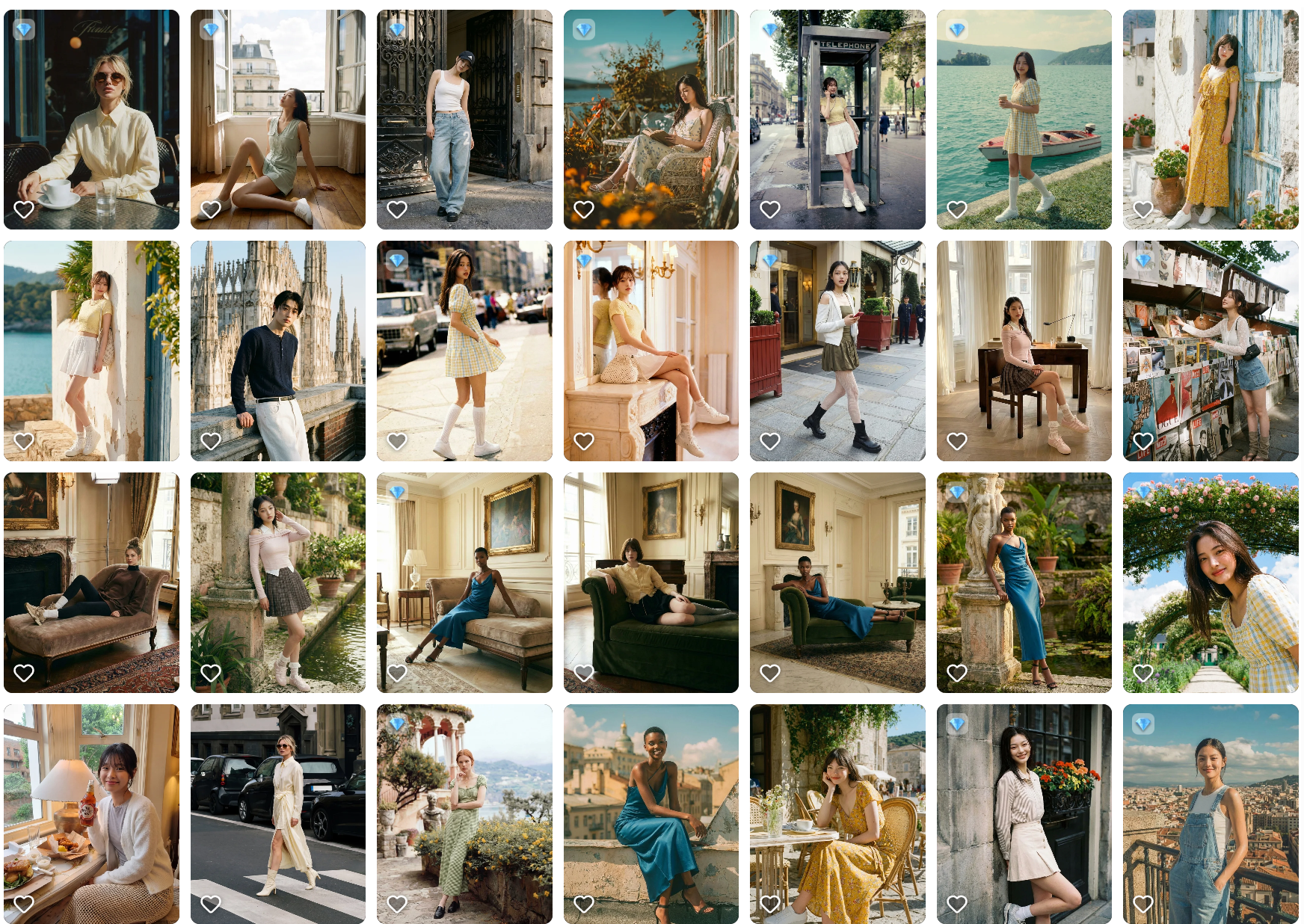
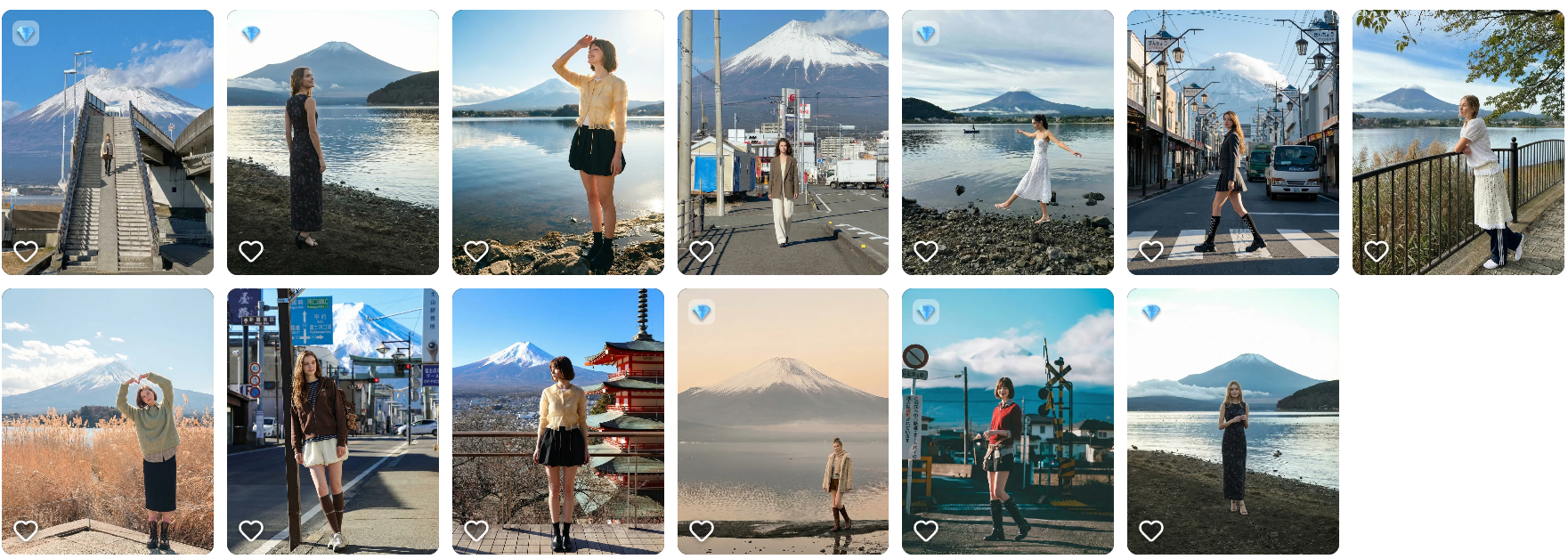
The same barrier applies to every other international location. European streets, Mt. Fuji, Taiwanese night markets, the Amalfi coast - any location that requires travel adds a production overhead that most brands can't justify for catalog-level photography. Campaign shoots sometimes warrant it. Weekly new arrivals don't.
Extreme Environments and Hard-to-Access Places
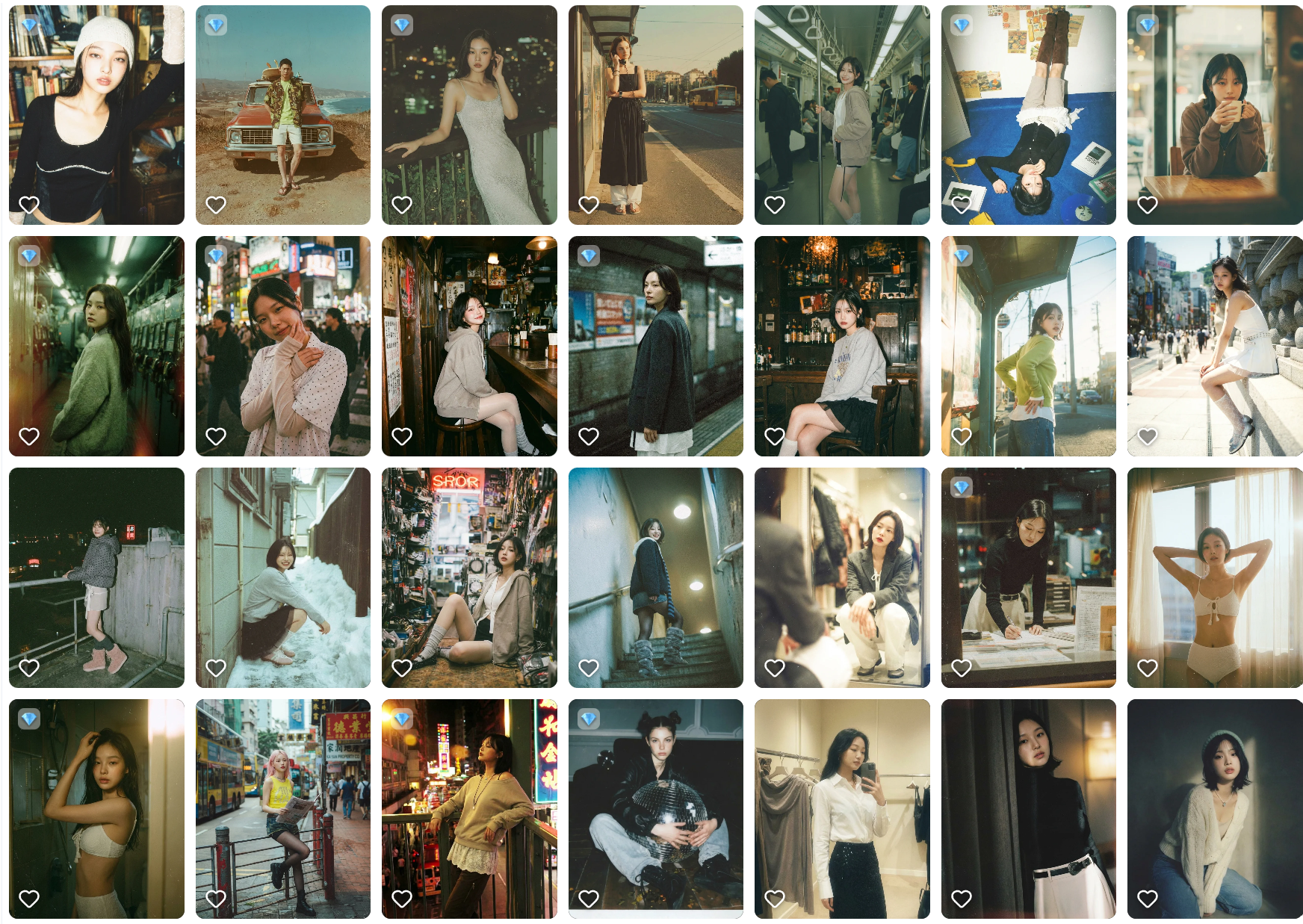
Desert roads, waterfalls, mountain peaks, resort pools, yacht decks - locations that make for powerful product photography but add logistical complexity that doesn't justify the cost at catalog scale. Weather is the other variable. You can plan a waterfall shoot; you can't plan the weather.

Seasonal Mismatch
Shooting a summer swimwear line in winter for forward planning. Photographing a winter coat collection in August. The product exists; the season doesn't match. The options have historically been: build an artificial set, wait for the right season, or launch without the photos you actually wanted.
Locations That Don't Exist
Underwater shots without an underwater studio. Salt flats without flying to Bolivia. A 1950s American diner without a location scout and a set decorator. A jazz club interior without a period-accurate venue. Frozen inside a block of ice. These aren't impossible - they're just expensive enough that most brands leave them as concepts.

04 - The cost What each of these constraints actually costs
| Scenario | What it adds vs. a standard shoot |
|---|---|
| Swimwear / lingerie models | +50-100% on day rate, separate contracts, pose and environment pre-approvals |
| Child models | Guardian requirement, legal hour limits - effective shoot efficiency cut in half |
| Specific body types | Unavailable in standard agency pools - line launches without the right photos |
| Seoul / Korean locations | Flights, accommodation, local coordination, foreign city logistics |
| Other international locations | Same as above - travel overhead makes it viable only for hero campaigns |
| Extreme environments | Travel, permits, weather variables, specialized equipment for water |
| Seasonal mismatch | Set build cost or wait until next season |
| Non-existent locations | Set design and build, or concept stays a concept |
The largest cost isn't always money. It's the product that's ready but can't launch because the photos aren't there yet. Every week a line sits without images is a week of missed sales - and that compounds.
05 - Now What the constraint list looks like today
StyleRoom works by selecting models and backgrounds rather than booking and traveling to them. The list above translates like this:
-
→
Swimwear and lingerie — Body type, pose range, and setting as selections. No separate contract.
-
→
Kids' clothing — Generated without child model logistics. No guardian requirements, no hour limits.
-
→
Specific body types — Chosen from a model grid, not sourced from an agency pool.
-
→
Seoul / Korean locations — Seongsu, Cheongdam, Apgujeong, Euljiro, hanok alleys. Tag selection. No flight.
-
→
International locations — Europe, Japan, Taiwan, and more as background categories.
-
→
Extreme environments — Desert, waterfall, mountain, underwater, resort pool. Weather is not a variable.
-
→
Seasonal mismatch — Shoot summer in winter, winter in summer. Season and weather are selected, not waited for.
-
→
Locations that don't exist — Salt flats, underwater, frozen in ice, 1950s diners, jazz clubs. In the selection list.
The shoots that got pushed back had real reasons behind them. Those reasons haven't disappeared - swimwear model contracts still exist, flights to Seoul are still expensive, and salt flats are still in Bolivia. What changed is that none of those barriers have to stop the shoot anymore.
Pull the list back out.
The model, the location, and the season - as choices, not barriers
Upload a product photo. Choose from a model grid that includes diverse body types, ages, and appearances. Select a Seoul neighborhood, a European street, a Mt. Fuji backdrop, an underwater setting - or a location that doesn't exist. Get wearing shots built on Korean fashion platform standards, without the production overhead that kept these shoots off the calendar.
Try StyleRoom
Start with the shoot you've been putting off.